Slow living means living with intention. Learn how it can help you reduce stress and boost mental clarity for a more meaningful daily rhythm.
There's an assumption that life slows down as you get older. But for many, even after retirement, life feels busier than ever. Social commitments, volunteering, and family obligations can keep you on the go. And if you’re still working, that's just one more thing to add to the list. Even though these activities can be enjoyable, there may be hidden stress connected to the busyness.
Slow living offers a reset. It means dialing down your pace just a notch. But it doesn’t mean you have to give up your activities altogether or neglect your obligations. Rather, it’s a way to find more peace, to savor the quiet moments so you can reconnect with what truly matters to you.
Why life can feel faster as you get older
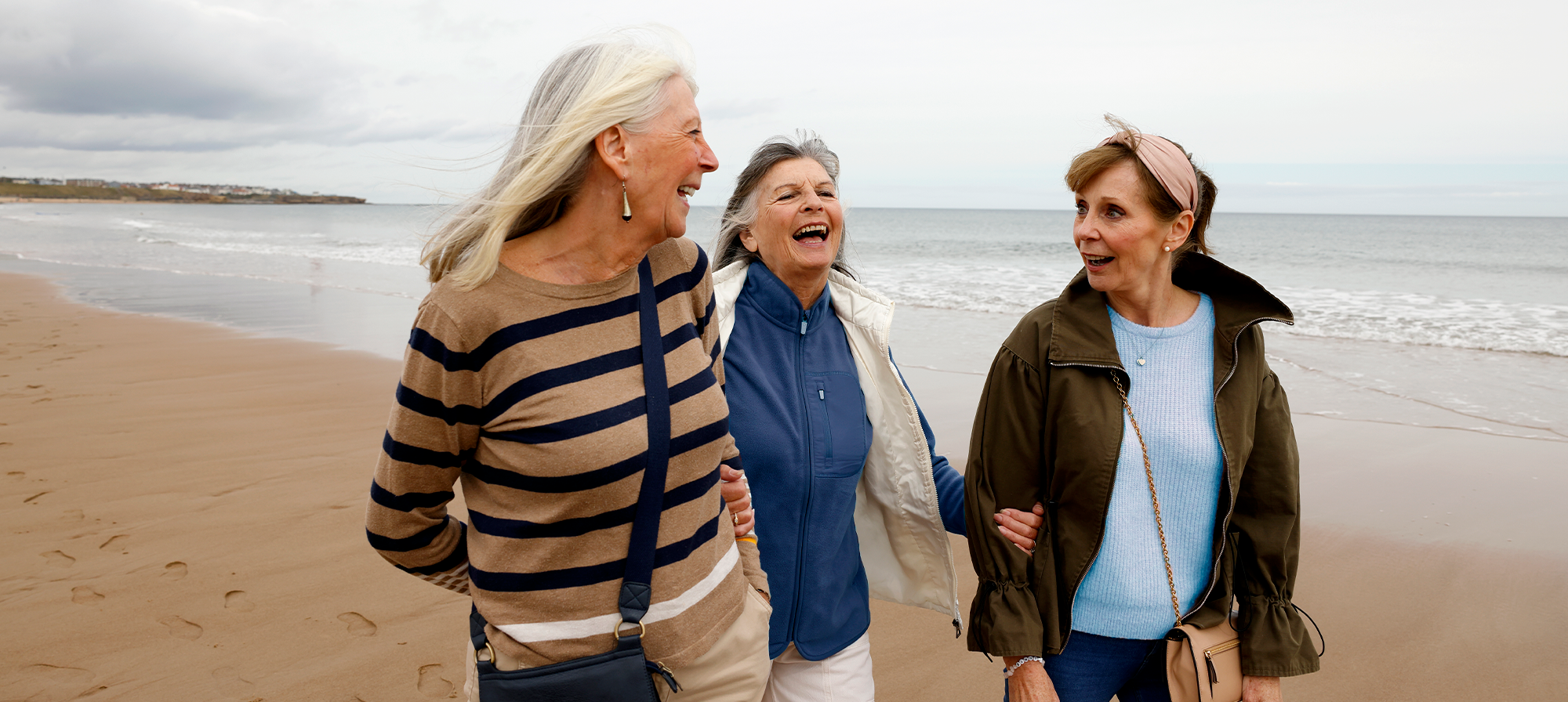
You may find that your calendar is more stacked than ever. If family gatherings, friend meet-ups, and community events weren’t enough to keep you busy, you may also be volunteering or involved in local organizations. You may babysit a grandchild during the day or take care of your spouse or another loved one. No matter what your day looks like, it’s likely there’s never a dull moment.
While this pleasant busyness can enrich your life, it can also come with stress. In short bursts, stress can be helpful. It makes your brain more alert so you can handle the situation that’s causing stress. But when stress is constant, it affects your physical and mental health.
The ongoing stress of a fast-paced life can drain your energy and diminish your focus. You may get headaches or have digestive issues. You may gain or lose weight, have trouble sleeping, or experience brain fog. Chronic stress can also put you at risk for health conditions, including high blood pressure, heart disease, and depression. By embracing slow living, you can reduce stress and, in turn, boost your health.

What slow living really means
Slow living is a shift in mindset. It’s about enjoyment rather than “getting things done.” And it’s about putting your time and energy into what really matters to you. By prioritizing in this way, you slow down. You’re more present. You can take more pleasure in each day. And when you’re more present during those pleasurable moments, you’re likely to feel greater joy, peace, and mental clarity.
You can start by making everyday routines more intentional. Have your morning coffee or tea without distractions. Instead, reflect on what you want for the day or start a morning journaling habit. When driving, listen to something that inspires you, whether that’s an exciting audiobook, an informative podcast, calming music, or something else.
As you go through your days, try to notice the quiet moments. Perhaps even look for glimmers—small moments throughout the day that bring you joy. These mindful moments can help calm your nervous system.
Tips to help you embrace slow living
Unplugging can help you slow down and spend your time more mindfully. Try these tips to make slow living a part of your lifestyle:
-
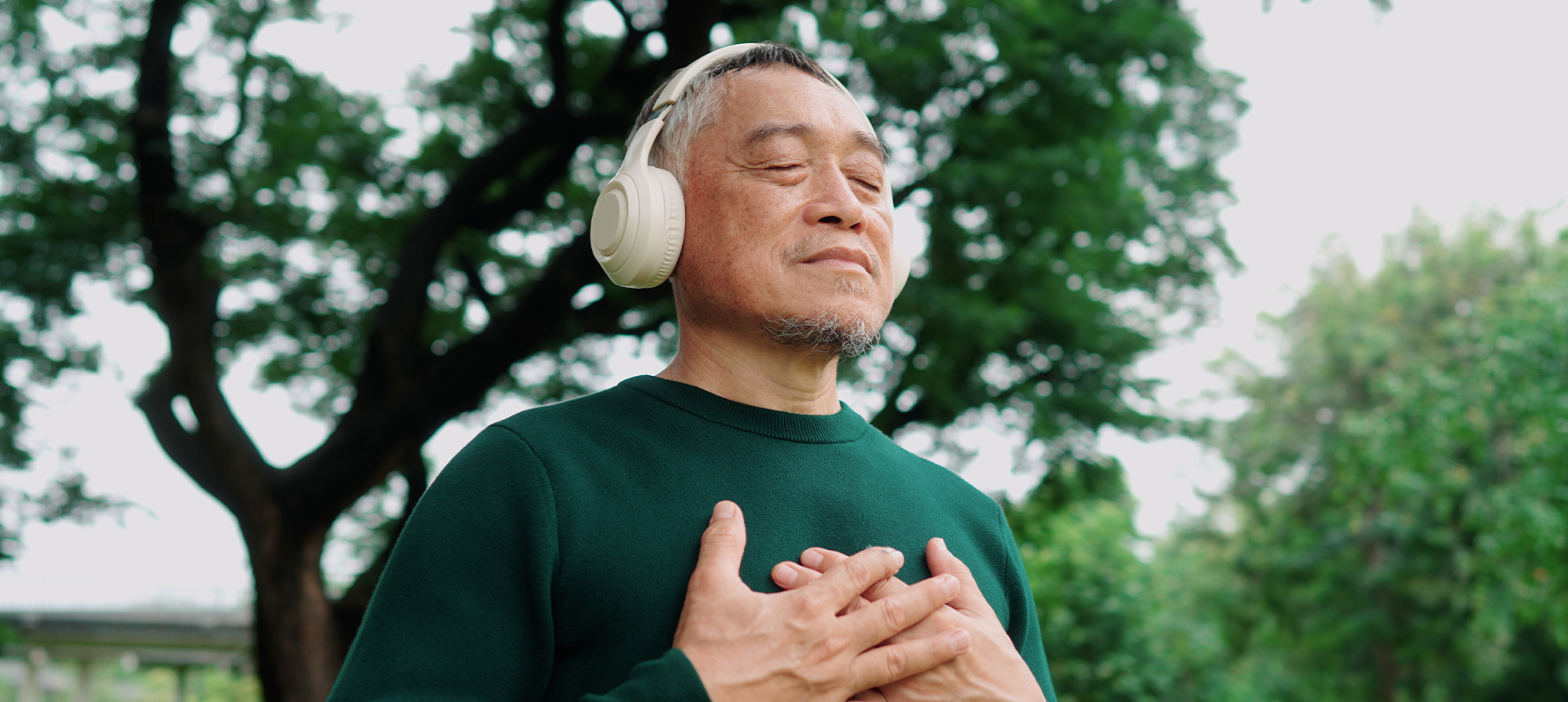
Pause throughout the day. Take short breaks during the day to notice what’s around you. Try a 5-senses check-in: Notice one thing you see, hear, feel, smell, and taste. Or take 60 seconds to reset. Try different breathing techniques, like pursed lips breathing or box breathing , and try to relax any tension in your body. Transition rituals can also help you slow down: After you finish a task, activity, or errand, take a few minutes to stretch or just sit before moving on to the next thing.
-
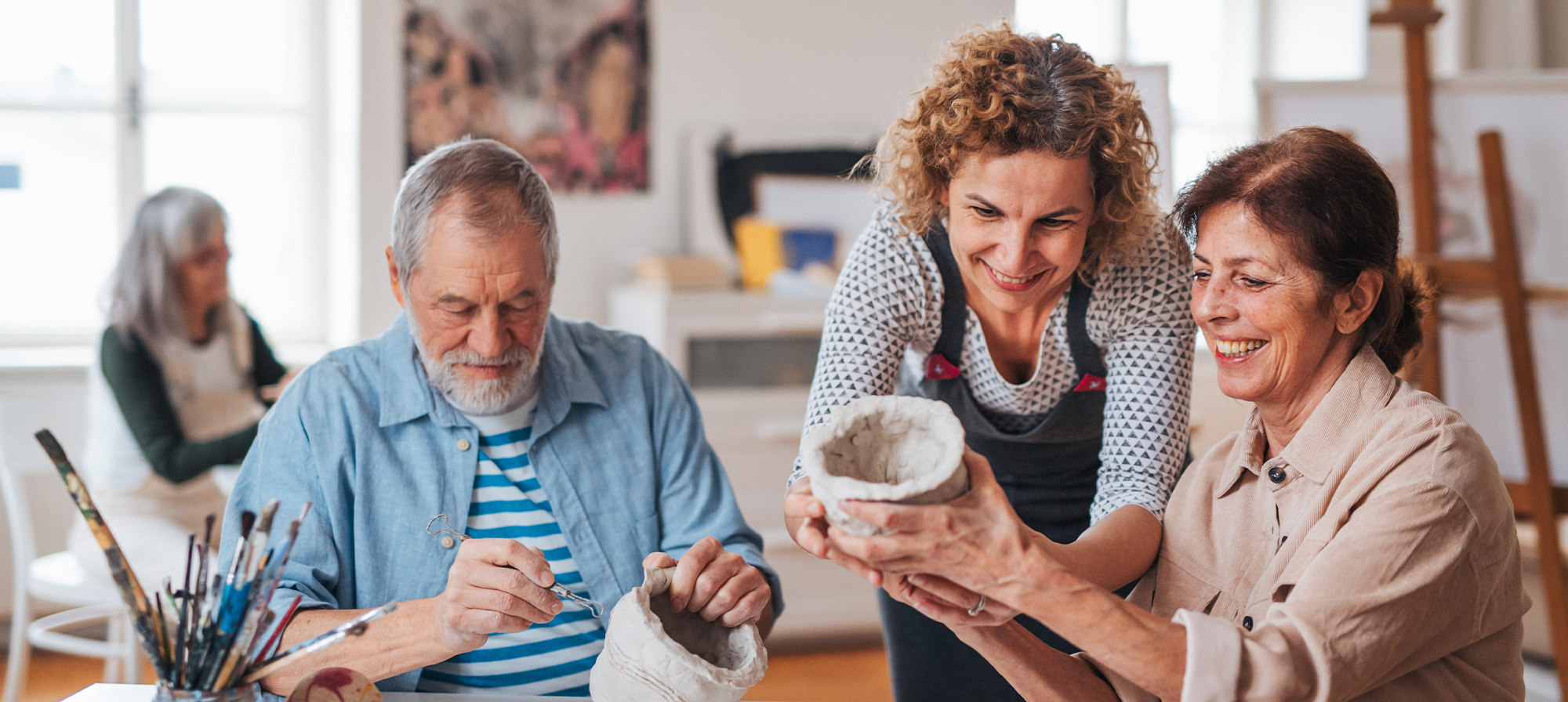
Build a weekly “slow rhythm.” Schedule time for quiet, relaxing activities. You could set aside an hour each day or week for crafting, journaling, gardening, or another relaxing pursuit. You could start a tech-free morning routine, in which you spend the first 30 minutes of your day without screens. If your calendar feels too full, kindly decline or reschedule nonessential invites. Then add recovery time to your calendar-free morning routine.
-
Embrace a “no plans” mindset. Whether you’re spending the day alone or with friends, let spontaneity be your guide—at least on occasion. When you plan every minute of every day, it can boost stress and pressure you to always stick to your plans. Leave some free time in your day to decide, in the moment, what you want to do. You might want to nap on the couch, take a walk, or sip a cup of tea. If you’re getting together with friends, decide as a group what you want to do (or not do) once you’re together. That might mean taking a group hike, heading out to dinner, or simply relaxing and catching up in someone’s living room or backyard.
-
Take a break from your phone. If you can, set aside a block of time during the day when you won’t use your phone. Choose a window in which you’re not likely to miss anything important. Remember, this should not make your life more stressful. If you need to be available for important phone calls, then allow that exception. Or, if you want to do something enjoyable, like stream music from your phone, go for it! But try not to use your phone for other things during this break, like scrolling through social media, answering texts, or searching the web. Silence your notifications and store your phone and other devices in another room.
Then spend your phone break doing something relaxing and mindful. Focus on the person you’re with, on the beauty of a sunny view out your window, or on whatever activity you’re engaged in.
You don’t have to make drastic changes all at once. Just take small steps toward slowing down. Choose times for unplugging that fit into your life. Then let your friends and family know when you will and won’t be available and explain how this will help you be more present. And try not to feel guilty about “doing less.” Rest and relaxation are an essential part of recovery and self-care.
By embracing slow living, you pave the way for a more fulfilling life. This intentional approach encourages you to prioritize what’s meaningful to you, leading to greater well-being and less stress. So, take a deep breath, slow down, and let the journey unfold at its own pace.
Not a Silver&Fit® member? Learn more about everything the program has to offer, including more helpful healthy living tips like this, here on our website.
This information is not intended to take the place of regular medical care or advice. Please check with your doctor before using this information or beginning any self-care program. Images used for this article do not depict any members of the Silver&Fit Program.
References
Beck, R. (2025). The case for spontaneity. University of Arizona. https://alumni.arizona.edu/arizona-magazine/winter-2025/case-spontaneity
Bonhoeffer, J. (2025, October 3). The science of slowing down: How presence restores your brain, body, and relationships. Psychology Today. https://www.psychologytoday.com/us/blog/heart-of-healthcare/202509/the-science-of-slowing-down
Mayo Clinic. (2023, August 1). Chronic stress puts your health at risk. https://www.mayoclinic.org/healthy-lifestyle/stress-management/in-depth/stress/art-20046037
Medline Plus. (2024, May 4). Stress and your health. https://medlineplus.gov/ency/article/003211.htm
Mohn, E. (2024). Slow living. EBSCO. https://www.ebsco.com/research-starters/social-sciences-and-humanities/slow-living
Schultz, M. (2017, April 13). The busy-trap: Impacts of always being on the go. Michigan State University Extension. https://www.canr.msu.edu/news/impacts_of_always_being_on_the_go
Sloan, M. (2022, November 1). Taking it slow. Harvard Health Publishing, Harvard Medical School. https://www.health.harvard.edu/staying-healthy/taking-it-slow
This article was written by Keleigh Somes, edited by Gail Olson, and clinically reviewed by Elizabeth Thompson, MPH, RDN, on January 28, 2025.