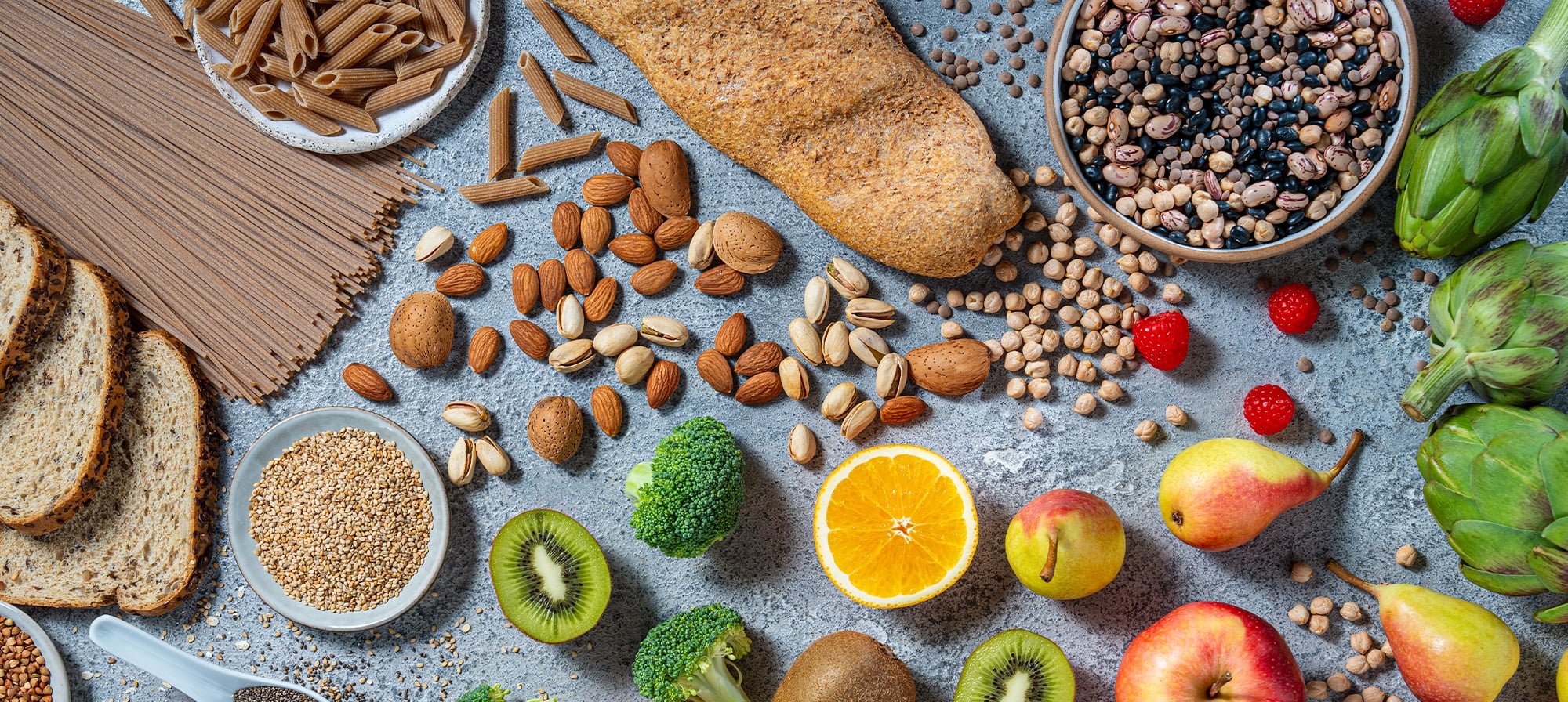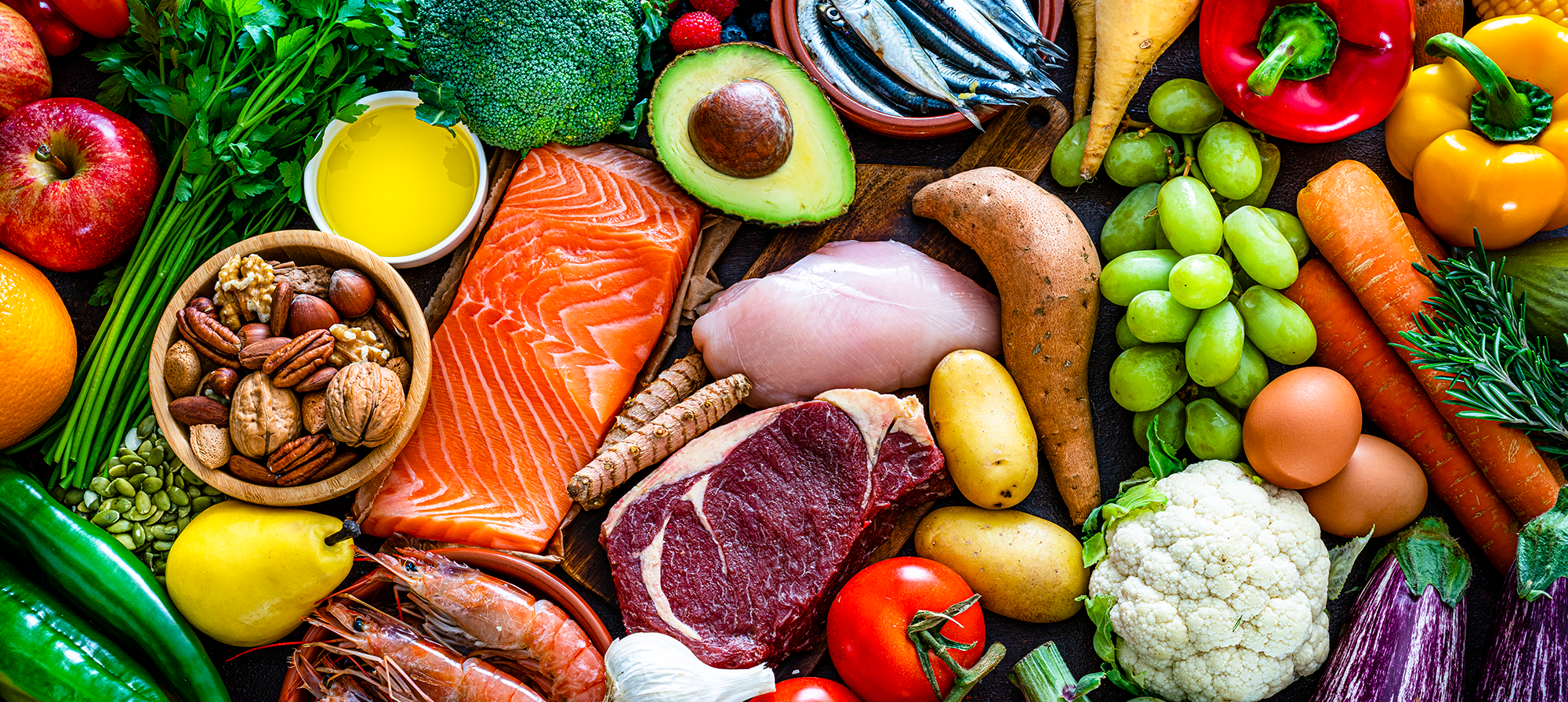
For optimal health, get your essential vitamins, minerals, and micronutrients by eating a variety of whole foods rather than relying on supplements.
Both vitamins and minerals help your body grow and function in healthy ways. And a good food plan can help you get the vitamins and minerals you need to be at your healthiest and best. But you may not be eating enough of the right kinds of foods to provide your body with the vitamins and minerals you need.
Nutrient sources: foods vs. supplements
Although you can get certain nutrients from supplements, research has shown that eating a variety of natural, whole foods is the healthiest way to get the most from vitamins, minerals, and other nutrients.
Along with vitamins, whole foods are packed with natural carotenoids, flavonoids, minerals, and antioxidants that aren't found in most supplements. Your body can more easily absorb these micronutrients through food than as a multivitamin supplement. Food can also be a good source of fiber.
It’s also important to remember that supplements are not evaluated for effectiveness by the FDA. Some can carry health risks, especially in large doses. For instance, iron supplements can block the effectiveness of antibiotics and other medications, and cause constipation.
The bottom line is that vitamin and mineral supplements should be used for just that: to supplement a diet rich in whole foods. If you do choose to take a multivitamin, consider a low-dose supplement. For instance, if the multivitamin calls for 2 or 3 pills per day to reach the amount of nutrients listed on the package, take just one pill. That makes it a true supplement to what you are already eating. (Especially if you are drinking sports drinks or other foods fortified with nutrients.)
It’s important not to aim for more than 100 percent of the recommended daily value of any vitamin or nutrient supplement. As always, you may want to check with your doctor before taking any supplements.
Read on to learn about essential vitamins and minerals and where you can find them in foods that make up your healthy diet.
Essential vitamins
The primary essential vitamins to include in your food plan are:
-
Vitamin A
-
Vitamin B complex (B vitamins include thiamine, riboflavin, niacin, pantothenic acid, pyridoxine, biotin, folate, and B12)
-
Vitamin C
-
Vitamin D
-
Vitamin E
-
Vitamin K
Vitamin A
Vitamin A helps you form and keep healthy teeth, bones, soft tissue, skin, and mucous membranes. It helps lessen the risk of infections.
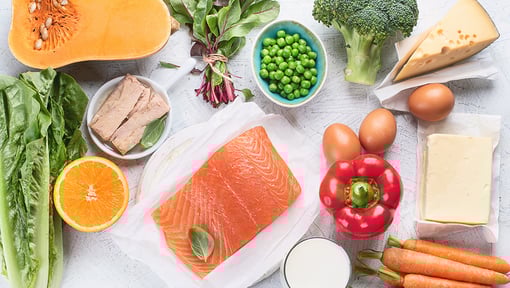
Vitamin A comes from both plants and animals. It’s found in fruits and veggies, especially those that are orange or green, as well as in whole milk and liver. You may notice that vitamin A has been added to some of the foods you eat, such as cereals.
Sources of vitamin A:
-
Vegetables like sweet potatoes, carrots, and dark leafy greens like spinach and kale
-
Fruits like cantaloupe, papaya, and tomatoes
-
Eggs
-
Cow’s milk, cheese, and yogurt
-
Salmon, halibut, shrimp, chicken, and liver
Vitamin B
The vitamin B complex is a group of related vitamins:
-
Vitamin B1, also known as thiamine
-
B2, or riboflavin
-
B3, or niacin
-
B5, or pantothenic acid
-
B6, or pyridoxine
-
B7, or biotin
-
B12
-
Folate (also called folic acid on food labels)
Together, B vitamins help you get or make energy from the food you eat. They also help form red blood cells.
A deficiency in B vitamins may lead to some health conditions, such as anemia, a condition in which you don’t have enough red blood cells carrying oxygen to your tissues.
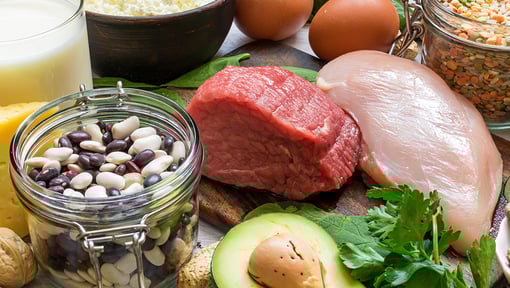
Sources of vitamin B: You can get B vitamins from proteins such as fish, poultry, meat, nuts, eggs, and dairy products. Leafy green veggies, beans, and peas also have B vitamins. Many breakfast cereals and some breads have added B vitamins. Vitamin B2, riboflavin, can also be found in milk. A nutritious and varied diet will make it easy to meet your vitamin B needs.
 Vitamin C
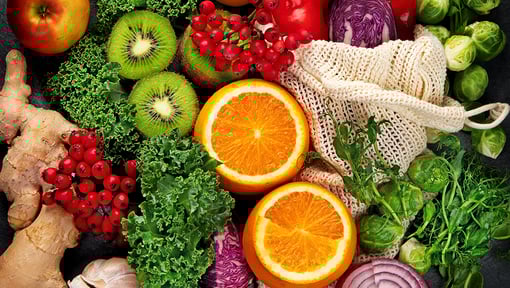
What can help heal cuts and wounds, support the health of your teeth and gums, and boost your immune system? Vitamin C! This vitamin is also needed to help make collagen for healthy skin elasticity and to make chemicals that help brain signals communicate. Vitamin C helps the body absorb iron from plant sources and helps the body get rid of the waste produced by your cells.
Sources of vitamin C: Vitamin C is found in fruits and veggies. Good sources include citrus fruits like oranges and grapefruit, bell peppers, berries, broccoli, tomatoes, and greens.
Vitamin D
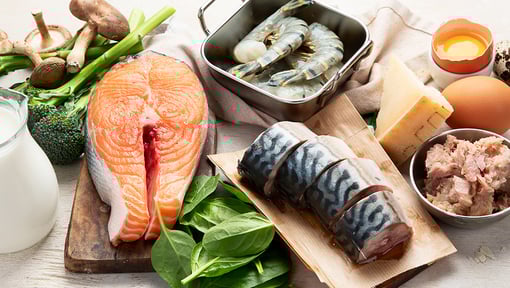
Vitamin D is like no other vitamin. It can be made by your body when sunlight hits your skin. But too much sun can harm your skin, so it’s best to get some of your vitamin D through the food you eat, as well.
Vitamin D helps your body absorb calcium, which helps build and maintain strong bones. Vitamin D also plays a role in the health of your immune system, nerves, and muscles. It may also help protect against high blood pressure, osteoporosis, and certain types of cancer.
Sources of vitamin D: Food sources of vitamin D include egg yolks and some types of fish, such as salmon and tuna. Vitamin D is added to foods such as cereals, milk, and yogurt. And, as noted, exposure to sunlight is another way to get vitamin D.
Vitamin E
Vitamin E helps clear the waste products made by your cells. It also helps lower the blood’s ability to clot. This means that it might help lower the risk of stroke and heart attack.
Sources of vitamin E: Vitamin E can be found in vegetable oils, nuts, avocados, whole grains, and leafy greens.
Vitamin K
Vitamin K helps with normal blood clotting. It also helps support bone health.
Sources of vitamin K: Vitamin K is found in many foods, including:
-
Cabbage
-
Cauliflower
-
Breakfast cereals
-
Dark green veggies such as broccoli and asparagus
-
Dark leafy veggies such as spinach, Brussels sprouts, and kale
-
Fish, liver, beef, and eggs
Eating a balanced food plan with these foods will likely ensure you get all the vitamin K you need. Some individuals on certain blood thinners must monitor their intake of foods that contain vitamin K. You should check with your doctor about this if you are on a blood thinner.
Essential minerals
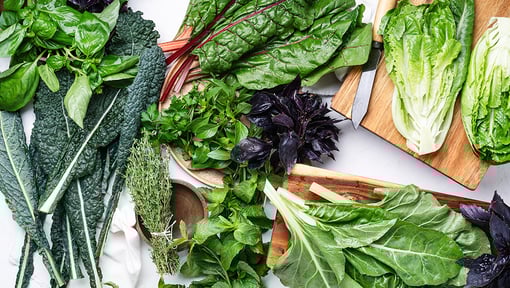
Minerals have lots of roles in your body, such as helping build strong bones, making hormones, and keeping your heartbeat steady.
Primary minerals to include in your food plan are:
-
Calcium
-
Potassium
-
Iron
-
Magnesium
-
Phosphorus
-
Sodium
-
Sulfur
-
Selenium
-
Zinc
-
Chloride
-
Iodine
-
Copper
Calcium
Calcium helps with healthy teeth and bones, and blood clotting. It also helps nerves and muscles function properly.
Many people get their calcium from milk and other dairy products. Calcium is also found in dark green, leafy veggies, and some nuts and seeds, like almonds and sesame seeds. It may be added to some packaged foods, so check labels for this mineral.
Its most important job is to trigger the heart to beat. It also helps regulate blood pressure.
All food groups have foods with potassium. Good sources of potassium include citrus fruits, bananas, avocados, broccoli, potatoes, meat, poultry, and fish. Dairy products, such as yogurt, milk, and soymilk, are also sources.
Iron
Iron carries oxygen through the blood. If you get too little iron, you may become fatigued, and your body may have a harder time fighting infections.
Foods high in iron are lean meats, poultry, and fish. Iron is also found in white beans, lentils, spinach, and other dark leafy greens. Some breads and hot breakfast cereals contain added iron.
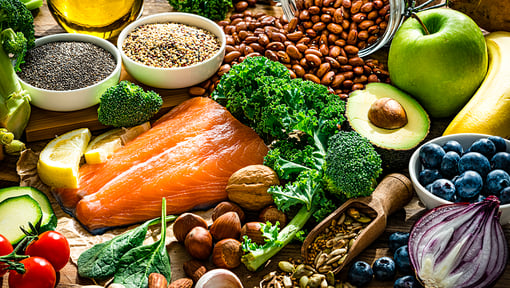
Magnesium plays a role in making protein in soft tissues. It also aids your body’s energy production and is stored in your teeth and bones. Find it in nuts, whole grains, legumes, and green veggies.
Sodium, in adequate amounts, keeps cell fluids in balance and helps regulate blood pressure. It is found in many foods, especially in table salt.
Sulfur plays a role in blood clotting and skin health. You can get sulfur by including meat, fish, legumes, or nuts in your food plan.
Selenium protects the normal lifespan of cells and supports the immune system. It is found in whole grains and some nuts, like Brazil nuts.
Zinc helps the body’s immune system work well. Food sources include meat, spinach, seeds, and some mushrooms, like shiitake and cremini.
Chloride helps keep cell fluids in good balance and aids nerves in sending signals. This mineral is found in regular table salt.
Iodine helps your body make thyroid hormones. These hormones aid metabolism. You can get iodine in iodized salt. It’s also in seaweed, fish, shrimp, yogurt, eggs, and milk.
Copper works with iron to make red blood cells. It also promotes healthy connective tissue. Copper is found in seeds, nuts, greens, peas, and soybeans or soybean products.
Eating a wide variety of healthy foods gives your body what it needs for good health. Foods rich in essential vitamins and minerals help your body make energy and fight off sickness. Foods can help keep your bones strong, control blood pressure, and nurture healthy skin.
Getting these nutrients from your food is an easy and delicious way to help you stay healthy for life.
Not a Silver&Fit® member? Learn more about everything the program has to offer, including more helpful healthy living tips like this, here on our website.
This information is not intended to take the place of regular medical care or advice. Please check with your doctor before using this information or beginning any self-care program. Images used for this article do not depict any members of the Silver&Fit program.
References
American Heart Association. (2023, December 18). Dietary supplements: Hype or help for good health? https://www.heart.org/en/healthy-living/healthy-eating/eat-smart/nutrition-basics/vitamin-supplements-hype-or-help-for-healthy-eating
Carilon Clinic. (2021, September 21). Food vs. supplements. https://www.carilionclinic.org/health-and-wellness/article/foods-vs-supplements
Coates, P. M., & Thomas, P. R. (2015). Dietary supplements. World Review of Nutrition and Dietetics, 111, 58-63. https://doi.org/10.1159/000362298
Family Doctor. (n.d.). Vitamins and minerals: How to get what you need. https://familydoctor.org/vitamins-and-minerals-how-to-get-what-you-need/
Harvard Health Publishing (2025, July 2). Best source of vitamins? Your plate, not your medicine cabinet. https://www.health.harvard.edu/staying-healthy/best-source-of-vitamins-your-plate-not-your-medicine-cabinet
Harvard Health Publishing. (2015). Get nutrients from food, not supplements from the 2015 Harvard Health Letter. https://www.health.harvard.edu/press_releases/get-nutrients-from-food-not-supplements
Harvard Health. 2024, September 30). Are you getting the vitamins and minerals you need? Help Guide. https://www.helpguide.org/harvard/vitamins-and-minerals.htm
National Institutes of Health (n.d.) Vitamin and mineral supplement fact sheets. https://ods.od.nih.gov/factsheets/list-VitaminsMinerals/
Oklahoma Medical Research Foundation. (2016, June 30). Food vs. supplements: What’s the verdict? https://omrf.org/food-vs-supplements-whats-the-verdict/
Patel, D. S. (2023, June 6). Vitamins and minerals: How to get what you need. American Academy of Family Physicians. https://familydoctor.org/vitamins-and-minerals-how-to-get-what-you-need/
U.S. Department of Agriculture and U.S. Department of Health and Human Services. (2020, December). Dietary Guidelines for Americans, 2020-2025. https://www.dietaryguidelines.gov/sites/default/files/2021-03/Dietary_Guidelines_for_Americans-2020-2025.pdf
This article was written by Sharon Odegaard, edited by Jason Nielsen, and clinically reviewed by Elizabeth Thompson, MPH, RDN, on February 3, 2026.