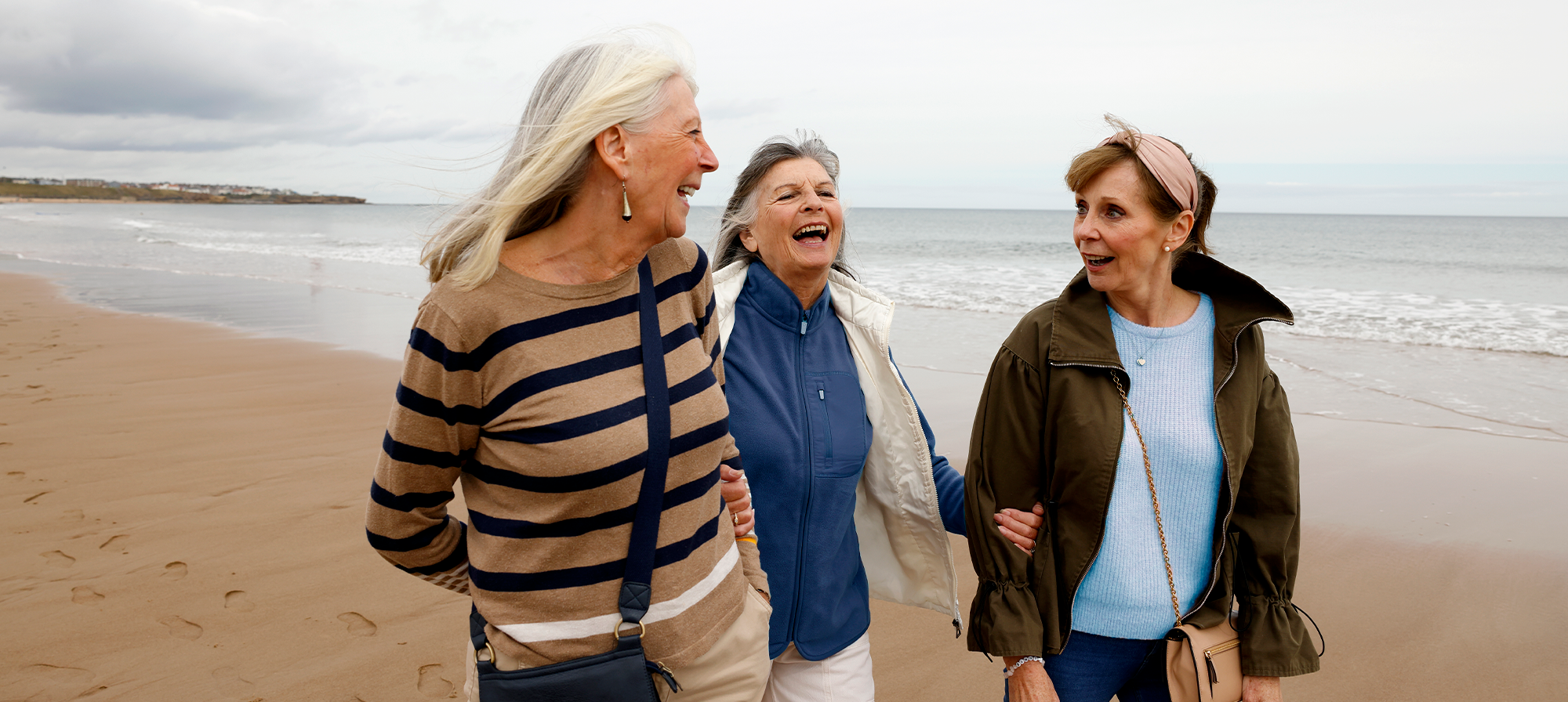
Research tells us that loneliness and isolation harm our health, while social engagement supports it. Yet it turns out that solitude also plays a key role in well-being.
A large body of research shows that social connectedness is vital to mental health and well-being, while prolonged isolation and loneliness can harm it. Yet, other findings suggest it’s not so simple. It turns out that some amount of solitude may be just as important as social engagement for emotional and mental well-being.
What’s key here is understanding that solitude and loneliness are not the same thing. Being lonely is the feeling of being alone—or disconnected from others—regardless of the number of people in your life or how much you socialize. In other words, you can feel lonely even if you’re not isolated from others.
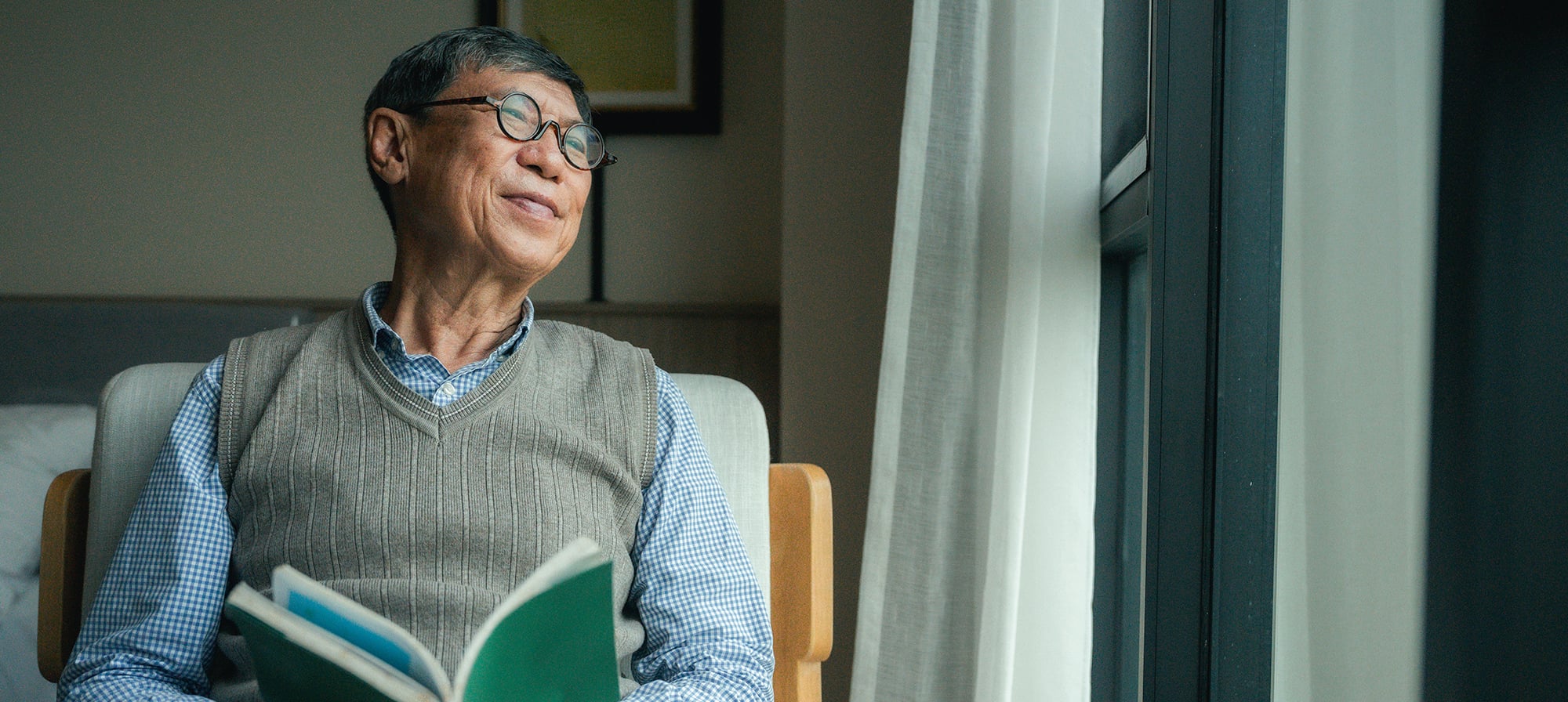
Solitude, on the other hand, means spending time alone but not necessarily feeling lonely because of it. Researchers say that if solitude is chosen intentionally and spent wisely, it’s less likely to lead to loneliness. This is what experts call “quality solitude.” It’s time spent alone to rest and recharge, practice self-care, reflect, explore your creative or spiritual side, and cultivate a relationship with yourself.
Again, when solitude is chosen deliberately and spent wisely, it’s about being alone—but not lonely. This means spending your solitude in positive, health-supporting ways, versus ruminating or engaging in stressful thoughts and activities.

The gifts that quality solitude offers
-
A break from constant social engagement. Solitude gives you the space and quiet to reconnect with your inner self. It gives you a break from “the demands of always engaging with others,” which can cause social fatigue or even resentment. Spending some time in solitude can help you recharge and provide balance. And this balance can better protect your relationships, as well as your health and well-being.
-
A break from always “doing.” Solitude can also give you a break from the near-constant state of "doing" that tends to permeate our lives. It allows you to simply "be" for a space of time. This in turn allows you to rest and relax or to look inward and mindfully reflect on how you’re feeling. Solitude gives you time to de-stress. It can also create space for you to check in with yourself and reassess and adjust your current goals, values, and desires. It also gives you time and space to deal with frustrations or problems you may be experiencing.
-
A chance to tune into your body. Solitude gives you a chance to check in with your physical self. Tuning in to your body in a mindful way can tell you whether you're feeling stressed and fatigued...or relaxed and rested. This intel then informs self-care steps you may want to take to better support your health, energy, and well-being.
-
Freedom to be who you are and do what you want to do. Studies suggest that some time spent alone can give you a sense of autonomy. Time alone can ease some of the pressure to be what others expect you to be. This in turn can empower you to be your authentic self—a boon to your emotional and mental well-being.
-
A greater sense of self-sufficiency. Solitude offers a chance to address current problems in your life and come up with solutions for them. This can boost your sense of self-sufficiency—whether you’re trying to tackle a health, financial, or relationship problem, or some other current issue in your life. This is not to say you should never reach out to others for help when you need to find solutions to life’s problems. But spending some time alone to decide which solutions work best for you is also key.
-
Enhanced creativity. Research suggests that when solitude is spent exploring your creative side, your health and well-being can benefit big time. Whether you're sculpting, writing, dancing, or just daydreaming, spending time alone engaged in creative activities offers all kinds of benefits for both your mind and body. It eases stress and helps you release emotions. It can also boost your mood, sleep, and immunity.
-
Spirituality. Having a spiritual path in life may help you find more hope, joy, and meaning. It may lessen stress by helping you see the goodness, beauty, and promise in the world. You might nurture your spiritual health in group settings—through group prayer or church services. But these are by no means the only pathways. There are others, including those that involve solitude. For you, it may mean spending some alone time in nature or finding awe in works of art. It may mean helping others. Or it may mean time spent alone in self-reflection and meditation.
Final thoughts
For time spent alone to truly benefit your health and well-being, it’s key to seek quality solitude—or alone time when you deliberately choose to rest, recharge, self-reflect, and practice healthy habits. Quality solitude is also about finding that sweet spot between spending enough time with others cultivating deep, meaningful bonds, and spending enough quality time alone. This is not a one-size-fits-all proposition. Each person has unique, differing needs for solitude and togetherness. Finding the right balance for you may take some experimenting and adjusting as you go.

Not a Silver&Fit® member? Learn more about everything the program has to offer, including more helpful healthy living tips like this, here on our website.
This information is not intended to take the place of regular medical care or advice. Please check with your doctor before using this information or beginning any self-care program. Images used for this article do not depict any members of the Silver&Fit Program.
References
Borges, C. C., Dos Santos, P. R., Alves, P. M., Borges, R. C. M., Lucchetti, G., Barbosa, M. A., Porto, C. C., & Fernandes, M. R. (2021). Association between spirituality/religiousness and quality of life among healthy adults: A systematic review. Health and Quality of Life Outcomes, 19, Article 246. https://doi.org/10.1186/s12955-021-01878-7
Bravin, A. M., Trettene, A., Andrade, L. G. M., & Popim, R. C. (2019). Benefits of spirituality and/or religiosity in patients with chronic kidney disease: An integrative review. Revista Brasileira de Enfermagem, 72(2), 541–551. https://doi.org/10.1590/0034-7167-2018-0051
Long, C. R., & Averill, J. R. (2003). Solitude: An exploration of benefits of being alone. Journal for the Theory of Social Behaviour, 33(1), 21–44. https://doi.org/10.1111/1468-5914.00204
Lundberg, S. (2024, December 17). Research shows solitude is better for your health when it’s not too intense. Oregon State University. https://news.oregonstate.edu/news/research-shows-solitude-better-your-health-when-it%E2%80%99s-not-too-intense
Mills, K. (Host). (2024, June). The benefits of solitude, with Thuy-vy Nguyen, PhD, and Netta Weinstein, PhD (No. 289) [Audio podcast episode]. In Speaking of Psychology. American Psychological Association. https://www.apa.org/news/podcasts/speaking-of-psychology/solitude
Nguyen, T. T., & Rodriguez, M. (2024). Deconstructing solitude and its links to well-being. Social and Personality Psychology Compass, 18(11), Article e70020. https://doi.org/10.1111/spc3.70020
Nguyen, T. T., Ryan, R. M., & Deci, E. L. (2018). Solitude as an approach to affective self-regulation. Personality and Social Psychology Bulletin, 44(1), 92–106. https://doi.org/10.1177/0146167217733073
Roth, P. (2018, December 10). Solitude enhances your social-emotional health and well-being. Michigan State University Extension. https://www.canr.msu.edu/news/solitude_enhances_your_social_emotional_health_and_well_being
Sparks, D. (2019, April 3). Mayo mindfulness: Connecting spirituality and stress relief. Mayo Clinic. https://newsnetwork.mayoclinic.org/discussion/mayo-mindfulness-connecting-spirituality-and-stress-relief/
Suttie, J. (2023, May 16). How feeling socially connected can help with chronic pain. Greater Good Magazine. https://greatergood.berkeley.edu/article/item/how_feeling_socially_connected_can_help_with_chronic_pain
University of Reading. (2023, December 5). Alone but not lonely: How solitude boosts wellbeing. https://www.reading.ac.uk/news/2023/Research-News/How-solitude-boosts-wellbeing
Weingarten, E. (2025, September 14). Solitude is a skill. Behavioral Scientist. https://behavioralscientist.org/solitude-is-a-skill/
Weinstein, N., Nguyen, T., & Hansen, H. (2021). What time alone offers: Narratives of solitude from adolescence to older adulthood. Frontiers in Psychology, 12, Article 714518. https://doi.org/10.3389/fpsyg.2021.714518
Weinstein, N., Vuorre, M., Adams, M., & Nguyen, T. (2023). Balance between solitude and socializing: Everyday solitude time both benefits and harms well-being. Scientific Reports, 13, Article 21160. https://doi.org/10.1038/s41598-023-44507-7
Yang, Y. C., Boen, C., Gerken, K., Li, T., Schorpp, K., & Harris, K. M. (2016). Social relationships and physiological determinants of longevity across the human life span. Proceedings of the National Academy of Sciences, 113(3), 578–583. https://doi.org/10.1073/pnas.1511085112
Young, E. (2024, September 12). Seven ways to benefit from solitude. The Psychologist. https://www.bps.org.uk/psychologist/seven-ways-benefit-solitude
This article was written by Gail Olson, edited by Stephanie Ruiz, and clinically reviewed by Elizabeth Thompson, MPH, RDN, on July 6, 2026.